

The history of civil rights in the United States has been shaped by powerful court decisions that transformed society and advanced justice. These landmark cases created legal precedents that continue to influence law and policy today.
From ending racial segregation in schools to guaranteeing equal protection under the law, these rulings were not just victories in court—they were turning points in history.
- They expanded constitutional rights for marginalized groups.
- They reinforced the principle of equality before the law.
- They continue to inspire legal reform and social justice movements.
Each of these cases continues to influence modern law and inspire future generations to fight for justice.
Brown v. Board of Education (1954)
This landmark case declared racial segregation in public schools unconstitutional. It overturned the infamous “separate but equal” doctrine and paved the way for desegregation across the United States.
Loving v. Virginia (1967)
When Richard and Mildred Loving challenged Virginia’s ban on interracial marriage, the Supreme Court ruled in their favor, affirming that marriage is a fundamental right protected by the Constitution.
Key takeaway: Denying marriage based on race violates the Equal Protection and Due Process Clauses of the 14th Amendment.
The Loving decision remains one of the most powerful examples of how personal stories can drive historic legal change.
Roe v. Wade (1973)
Though later overturned, Roe v. Wade recognized a woman’s constitutional right to make private medical decisions, including the right to abortion. It reshaped debates on reproductive rights for decades.
Obergefell v. Hodges (2015)
This ruling legalized same-sex marriage across the nation. It was a milestone victory for LGBTQ+ rights and reaffirmed that love and marriage are fundamental freedoms for all people.
Civil Rights Act Enforcement Cases
The Civil Rights Act of 1964 was upheld and strengthened through numerous cases that fought against discrimination in workplaces, schools, housing, and public spaces.
The decisions in these cases went beyond the courtroom. They inspired social change, influenced public policy, and gave hope to millions who had been denied basic rights.Even today, these cases are studied in law schools, referenced in new rulings, and remembered as milestones in the long road toward equality.
Continuing the Fight for Equality
Civil rights progress did not end with these rulings. Modern challenges around voting rights, gender equality, and digital privacy show that the struggle continues.
The Role of the Supreme Court
The Supreme Court has been both a guardian and a battleground for civil rights. Its rulings shape not only the law but also the daily lives of millions of Americans.
Why These Cases Matter Today
They remind us that justice is not given—it is fought for. Each case demonstrates the power of persistence, courage, and belief in equality under the law.
Civil rights are living promises, carried forward by each generation that demands fairness, dignity, and justice for all.
The lessons of these cases remain timeless: progress requires both legal victories and continued social advocacy.
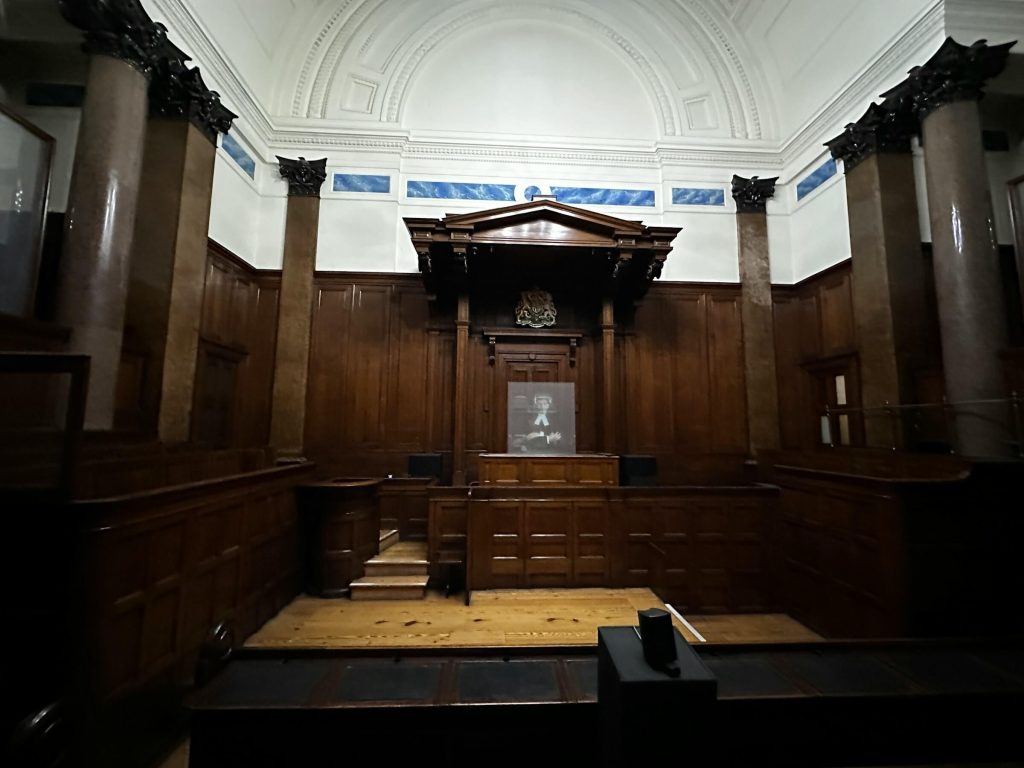
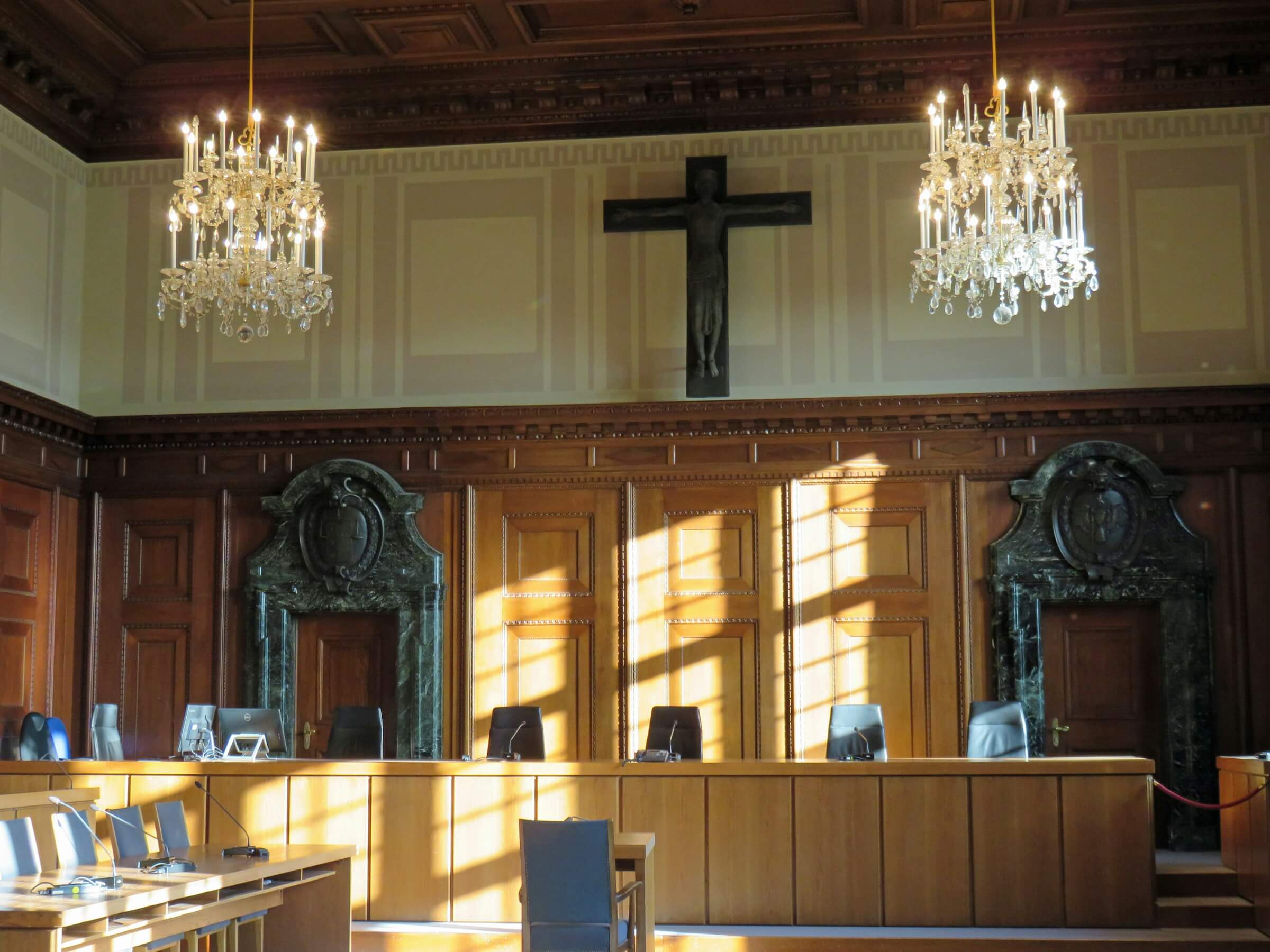
Image Gallery: Icons of Civil Rights History
Images of these cases and the people behind them tell a story of resilience and courage. A gallery can bring these historic moments to life visually.







Gallery Example:
- Courtroom sketch of Brown v. Board of Education
- Richard and Mildred Loving portrait
- LGBTQ+ Pride celebration after Obergefell ruling
| Case | Year | Impact |
| Brown v. Board of Education | 1954 | Ended racial segregation in schools |
| Loving v. Virginia | 1967 | Legalized interracial marriage |
| Obergefell v. Hodges | 2015 | Legalized same-sex marriage |